
 Skin
Skin
What Can Treat Large Facial Pores?
Large pores, often referred to as dilated or enlarged pores, can be a common skin concern that affects the appearance of your face, particularly on the nose, cheeks, and chin. While pores are essential for skin health, allowing sweat and sebum to regulate temperature and hydration, enlarged pores can lead to an uneven complexion and rough skin texture. This comprehensive guide explores the causes of large pores, effective treatments, and skincare routines to help you reduce pore size and achieve smoother, more refined skin.
What Are Skin Pores?
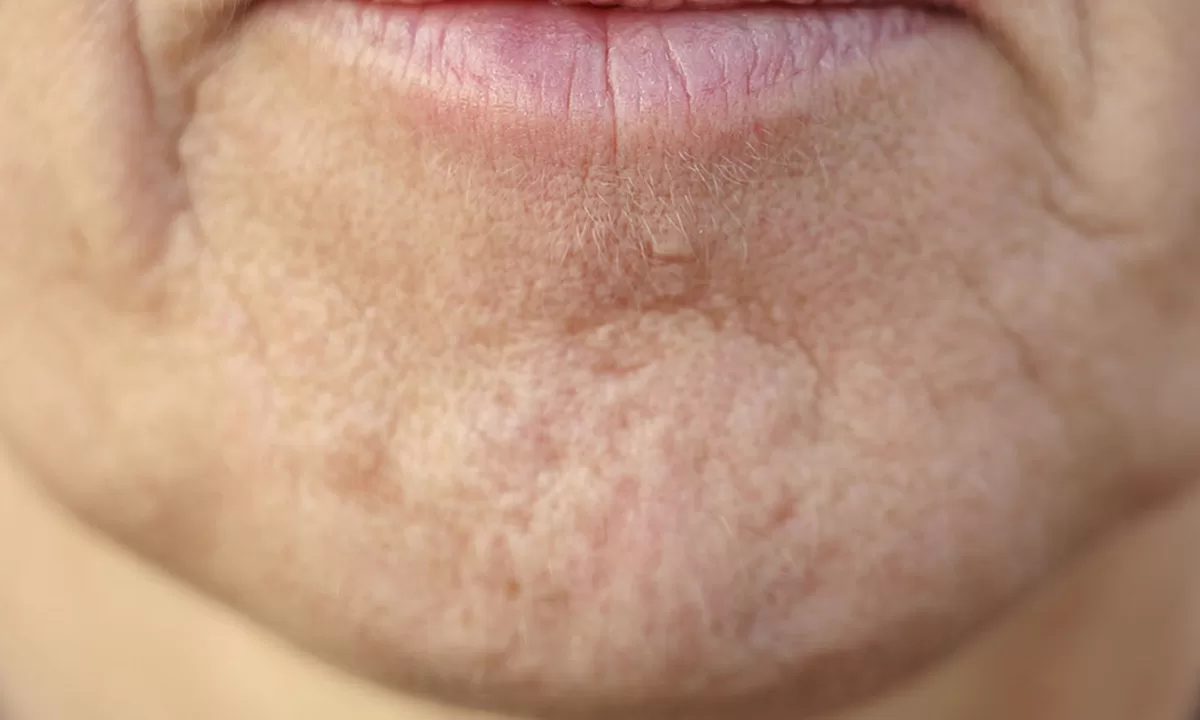
Skin pores are tiny openings on the skin’s surface that serve as pathways for hair follicles and oil glands (sebaceous glands). They play a vital role in maintaining skin health by releasing sweat and sebum to keep the skin moisturized and regulate body temperature. Pores are most prominent in the T-zone (forehead, nose, and chin) but are also present on the chest, back, and arms. When pores become clogged with oil, dead skin cells, or debris, they can appear larger, leading to concerns like acne and uneven texture.
While pores are essential for skin function, they can sometimes become enlarged or clogged, leading to concerns such as acne and an uneven skin texture.
Enlarged Pores vs. Acne Scars
Enlarged pores and acne scars are distinct issues. Enlarged pores result from stretched skin due to oil, debris, or reduced elasticity, while acne scars are permanent indentations from severe acne. Pores respond to milder treatments like exfoliation, while scars often require more intensive interventions like laser therapy.
What Causes Enlarged Pores?
Enlarged pores can develop for many reasons, and often more than one factor is at play. Genetics set the baseline, meaning some people are naturally predisposed to larger pores, which is more common in certain skin types and ethnic groups. While you can’t change your genetics, other lifestyle and environmental factors can make pores look even bigger.
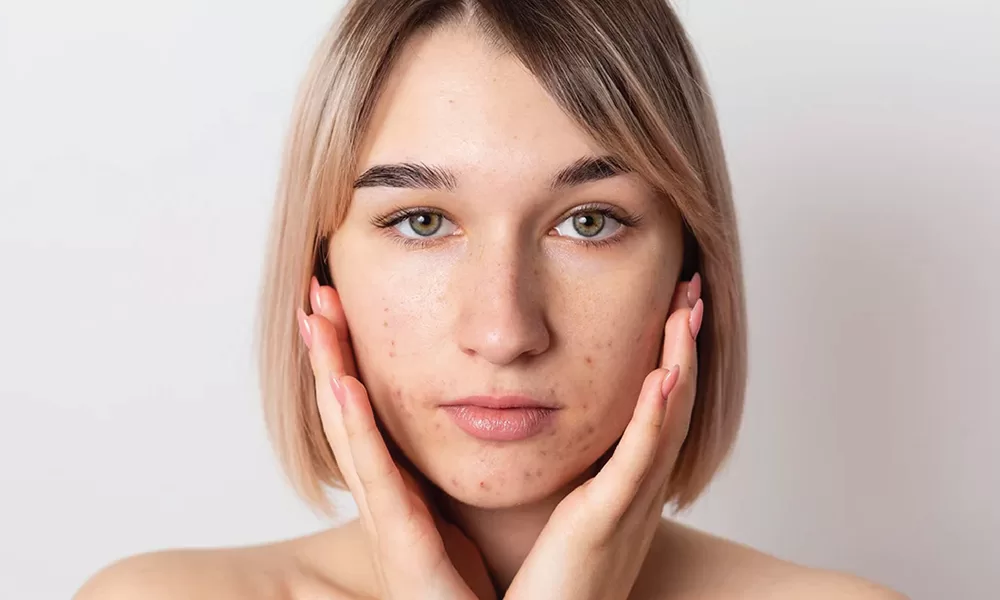
Oily skin, for example, is closely tied to excess sebum production. When the skin produces too much oil, it mixes with debris and stretches pore openings, making them more visible. This issue often overlaps with acne, which inflames and damages pore walls. Severe breakouts may even leave scars that resemble large pores, creating long-term changes in skin texture.
Aging also plays a significant role. As collagen and elastin decline with age, the skin loses firmness and pores appear larger. At the same time, slower cell turnover allows dead skin to accumulate, further clogging and stretching pores. Sun exposure accelerates these effects by breaking down supportive proteins and stimulating oil production, weakening the skin’s natural resilience.
Other contributors include the natural size of hair follicles, which determine the opening of pores, and the use of comedogenic or heavy products. When makeup or skin care clogs pores, it traps oil and debris inside, leading to stretched openings over time. Even daily habits matter—consistent cleansing, using non-comedogenic products, and applying sunscreen are crucial for keeping pores clear and minimizing their visibility.
Causes of Enlarged Pores and Treatment Options
| Cause | How It Enlarges Pores | Treatment Options |
|---|---|---|
| Genetics | Inherited pore size and skin type | Cannot be changed; focus on skincare to reduce visibility |
| Excess Sebum Production | Oil buildup stretches pores and causes clogging | Oil-control cleansers, retinoids, salicylic acid, lightweight moisturizers |
| Aging | Loss of collagen and elasticity makes pores appear larger | Retinoids, peptides, collagen-boosting treatments, daily sunscreen |
| Hair Follicle Size | Larger follicles create naturally bigger pore openings | Consistent exfoliation, pore-minimizing skincare, in-office treatments |
| Comedogenic Products | Clogs pores, trapping oil and debris | Switch to non-comedogenic, oil-free products |
| Acne & Scarring | Breakouts stretch pores; scars leave indentations | Acne management, exfoliation, scar treatments (microneedling, peels, lasers) |
| Sun Damage | Breaks down collagen and increases oil production | Broad-spectrum sunscreen daily, antioxidants, collagen-supporting skincare |
| Skincare Practices | Poor cleansing and harsh products enlarge pores | Gentle cleansing, exfoliation, consistent routine with non-comedogenic products |
Each factor influences pore size differently, with genetics and aging being overarching factors. Sebum production, hair follicle size, and cosmetics impact pore appearance directly, while acne and sun damage contribute to pore enlargement over time. Optimal skincare practices play a crucial role in minimizing pore enlargement, emphasizing protection from sun damage, cautious cosmetics usage, and proper acne management.
How to Reduce Enlarged Pores and Make Them Less Noticeable
When pores are clogged, stretched, or surrounded by sagging skin, they appear more visible. While you can’t permanently shrink pore size, there are proven ways to minimize pores and make them look smaller with the right skin care routine.
Use Non-Comedogenic Products
To keep pores from enlarging, choose non-comedogenic skin care products. Non-comedogenic means the formula won’t clog pores. Look for labels such as:
- Non-comedogenic
- Oil free
- Won’t clog pores
When pores remain clear, they look less noticeable and won’t expand.
Cleanse Your Face Twice Daily
Cleansing removes excess oil and debris that can make enlarged pores on the face appear bigger. For best results:
- Wash with warm water (not hot, which can irritate skin).
- Use a gentle, non-comedogenic cleanser.
- Avoid scrubbing, which causes inflammation and makes pores look larger.
Incorporate Retinol
Products with retinol help improve skin texture, boost firmness, and reduce clogged pores. If your skin is oily, acne-prone, or showing early signs of sagging, retinol can minimize the look of pores over time. Apply in the evening and introduce gradually to avoid irritation.
Note: Retinol is not safe during pregnancy or breastfeeding.
Treat Acne with Salicylic Acid
Acne often clogs pores, making them appear larger. A cleanser with salicylic acid can help unclog pores and reduce breakouts. If dryness occurs, alternate between a salicylic acid cleanser and a gentle cleanser.
Protect with Sunscreen
Sun damage weakens skin structure, leading to less firmness and more visible pores. Apply a broad-spectrum sunscreen with SPF 30 or higher every day to prevent enlarged pores from becoming more noticeable.
Exfoliate Regularly
Exfoliation removes dead skin cells that clog and stretch pores. Safe exfoliation can improve skin texture and reduce pore appearance. If at-home exfoliation feels irritating, consult a dermatologist for professional treatments.
Be Gentle with Your Skin
Scrubbing, picking, or squeezing pores makes them inflamed and more noticeable. Treat skin carefully and avoid aggressive manipulation to keep pores looking smaller.
Effective Treatments for Large Pores
Even though skin pores can’t physically shrink, certain skincare routines and treatments can help reduce their visibility, depending on your skin type and tone.
These may include exfoliation to remove dead skin cells, topical retinoids to promote cell turnover and collagen production, using pore-minimizing products containing ingredients like niacinamide or salicylic acid, regular cleansing to remove excess oil and debris, and seeking professional treatments such as VI Peel.
Chemical peels for enlarged pores
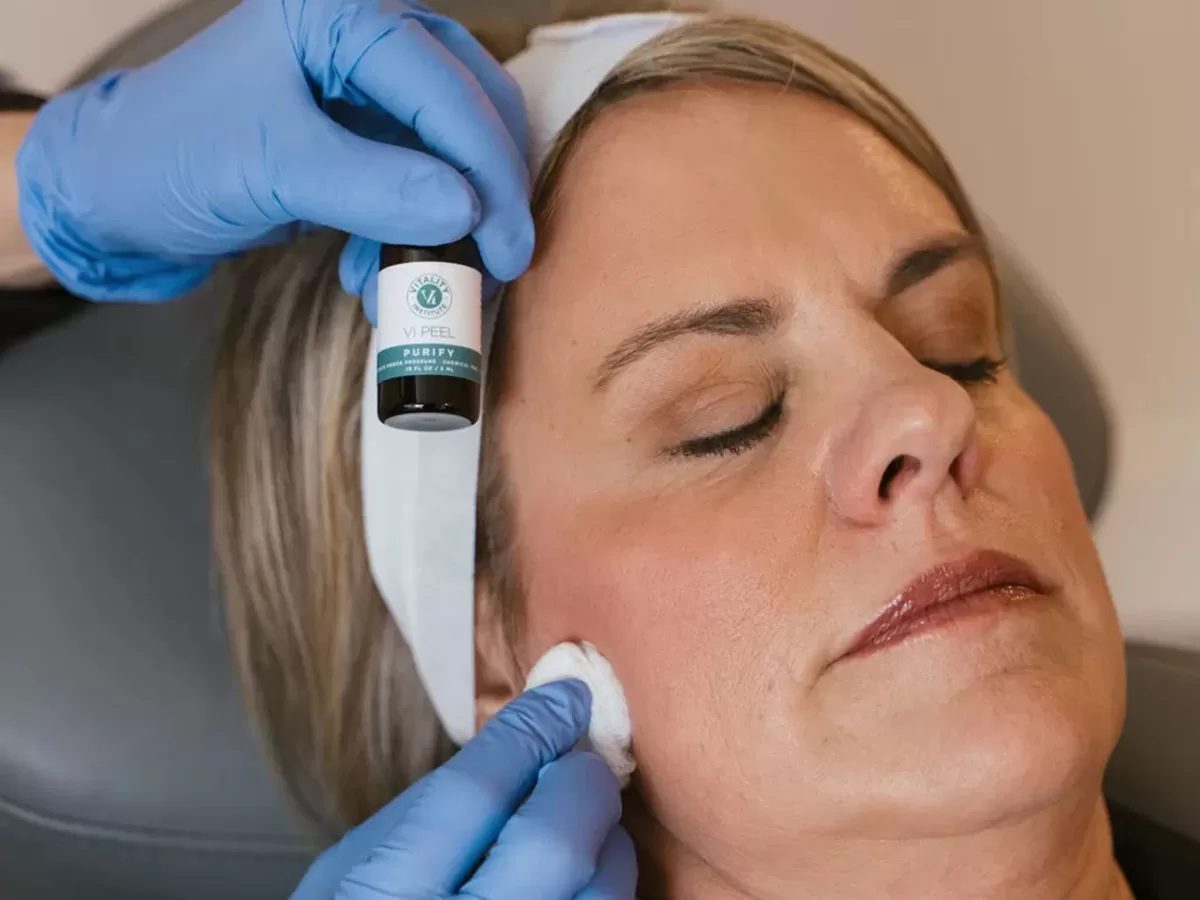
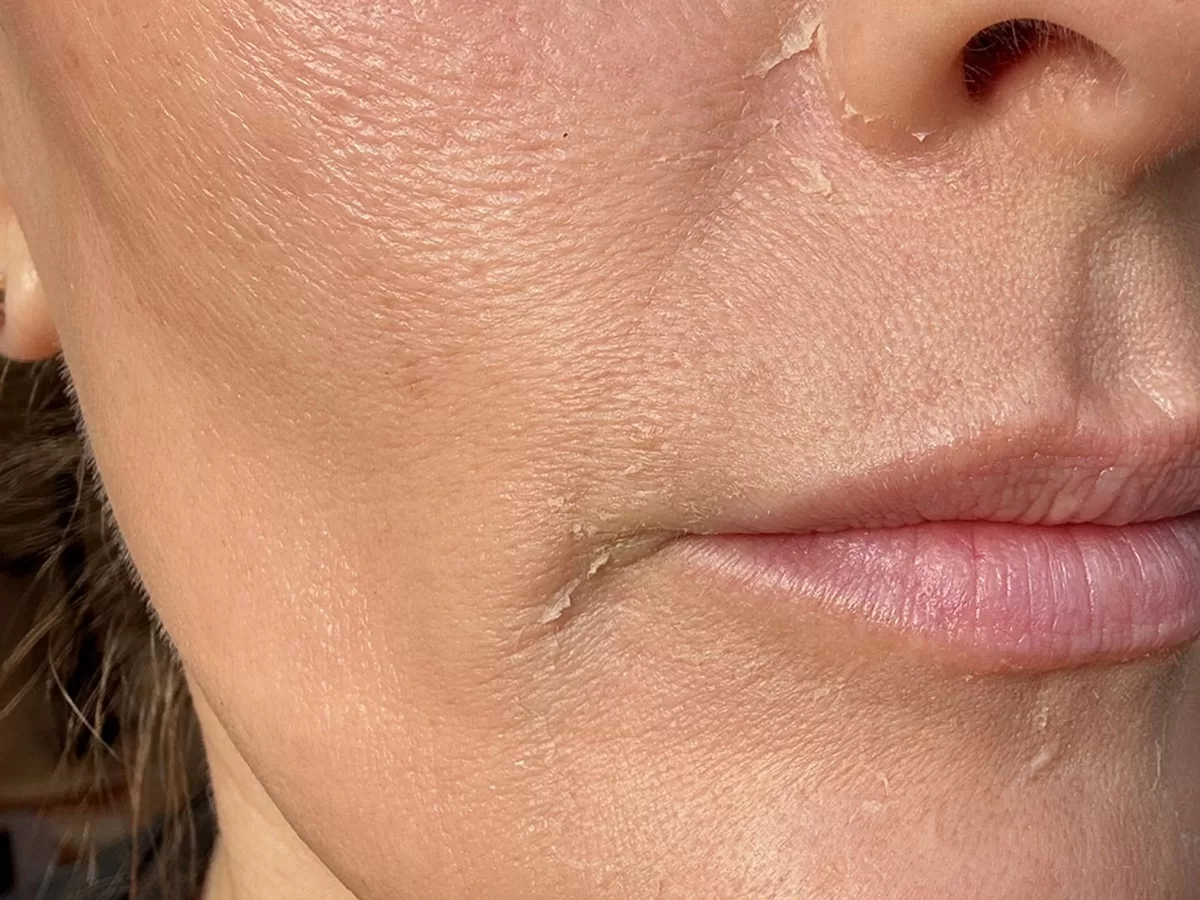
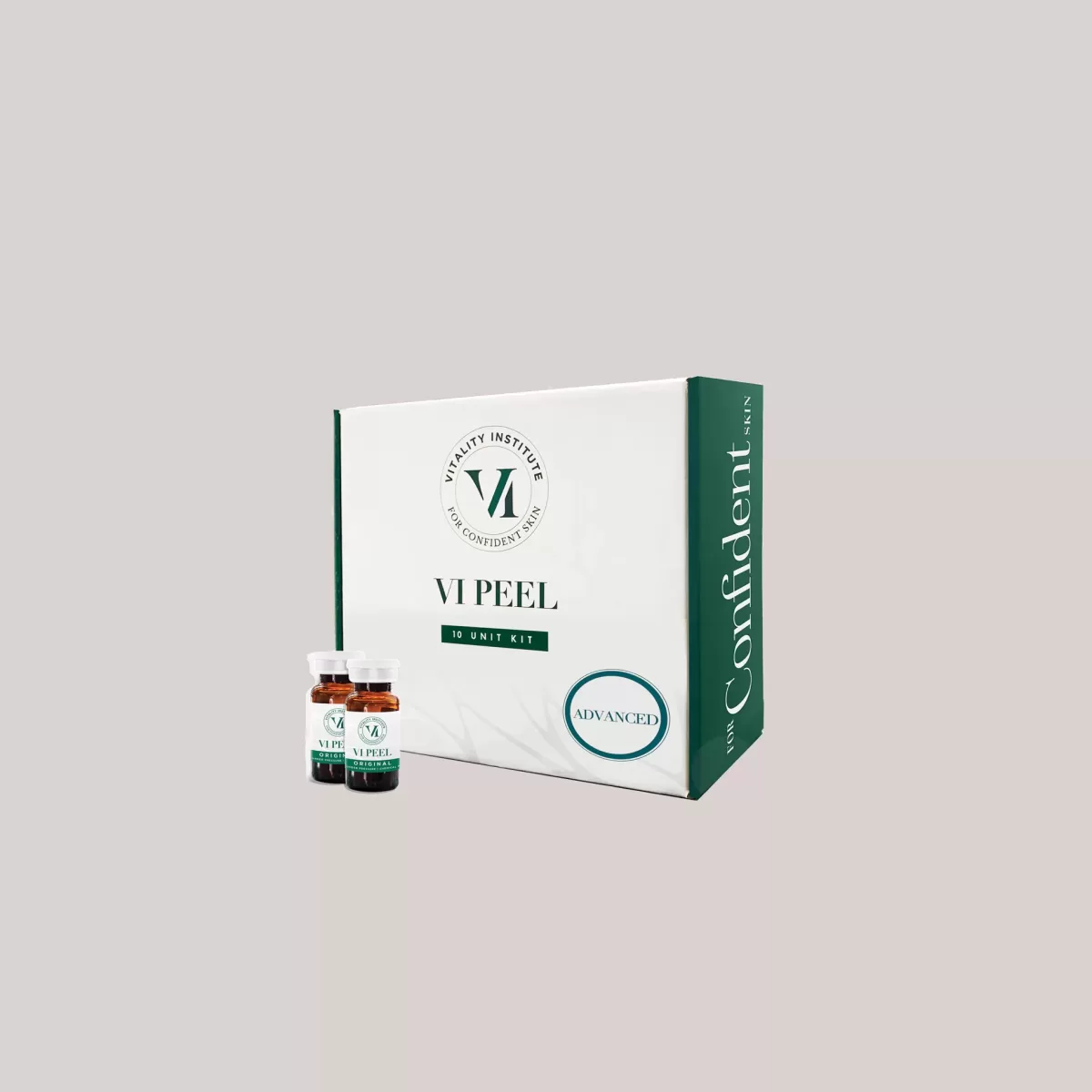
Chemical peels, such as the VI Peel, exfoliate the skin by removing dead cells and unclogging pores. Medium-strength peels promote cell turnover, reducing pore size and improving complexion with minimal downtime (a few days for recovery).
Related Reading: VI Peels and Pores: The Truth About Clearer, Smoother Skin
Microneedling for enlarged pores
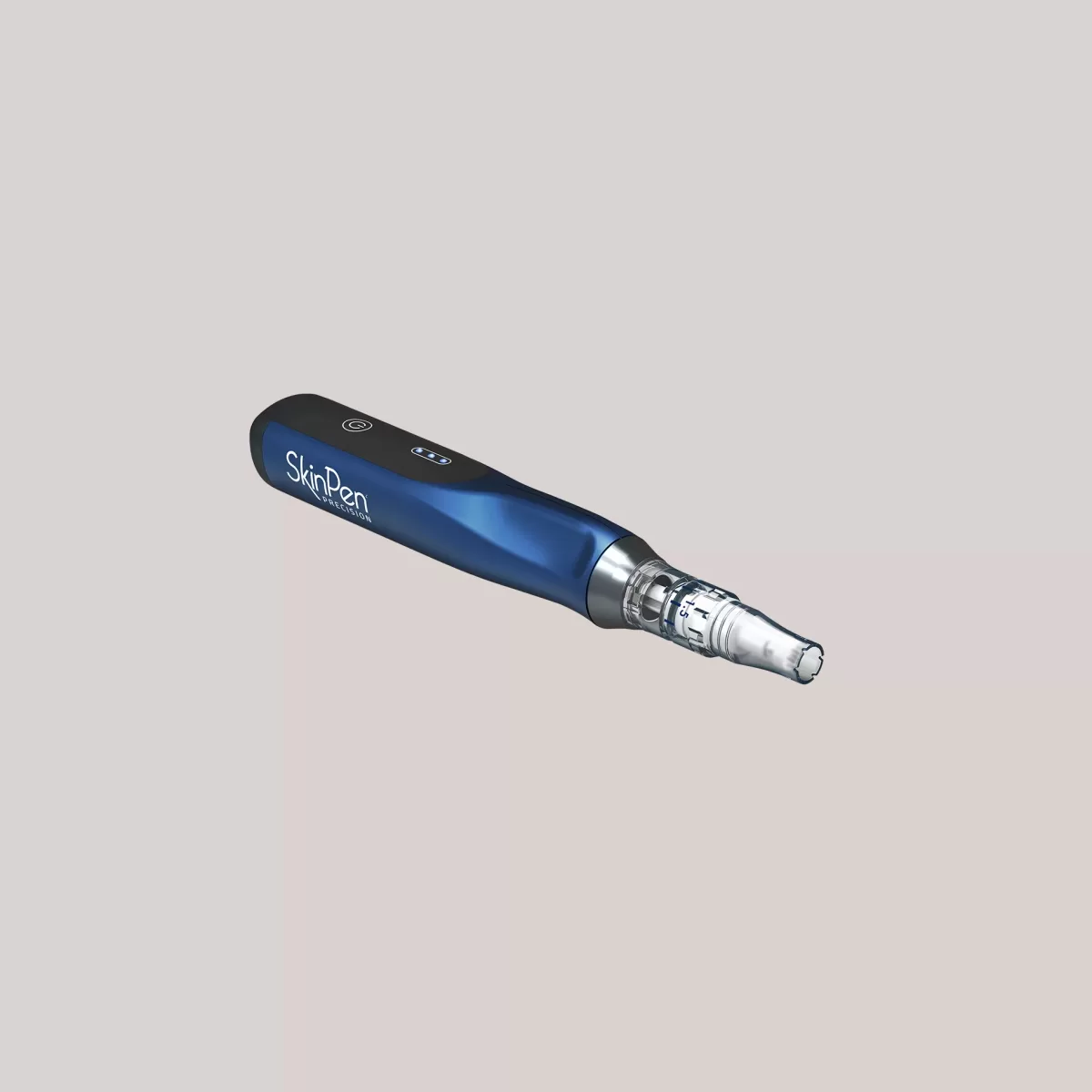
Microneedling treatments involves the use of tiny needles to create micro-injuries in the skin, prompting a healing response and stimulating collagen production. This increased collagen production strengthens the walls around pores, leading to a tighter and clearer appearance.
This treatment offers several advantages as a pore minimizer. It is quick, relatively affordable compared to other options, and provides both short- and long-term benefits for the skin. Moreover, microneedling is suitable for all skin tones and types, although individuals with active skin conditions like acne or eczema should avoid it. Additionally, the micro-channels formed during the procedure enhance the absorption of topical serums and skincare products, amplifying the results.
Consistent sessions of microneedling can progressively improve the appearance of large pores, resulting in smoother and more refined skin texture over time. Maintenance treatments every 6–12 months are typically recommended to sustain the benefits.
How to Reduce Enlarged Pores with Topical Skin Care
Topical skincare products play a crucial role in managing large pores and promoting overall skin health. SkinBetter Science offers a range of advanced skincare solutions designed to address various concerns, including large pores. Here are some recommended products by SkinBetter Science that can help minimize the appearance of pores:
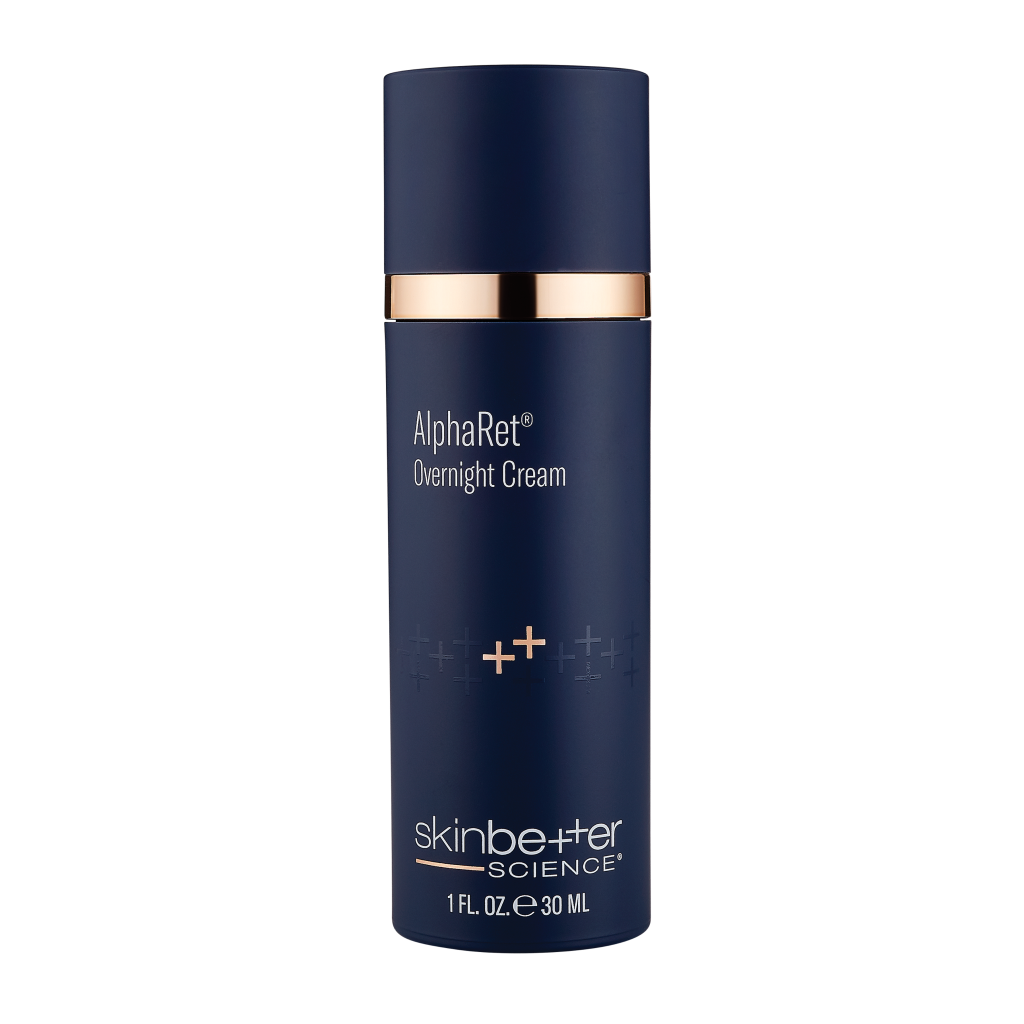
AlphaRet Overnight Cream
This innovative night cream combines a retinoid with alpha hydroxy acid (AHA) to enhance skin rejuvenation and improve texture. It helps promote cell turnover, refine pores, and reduce the signs of aging.
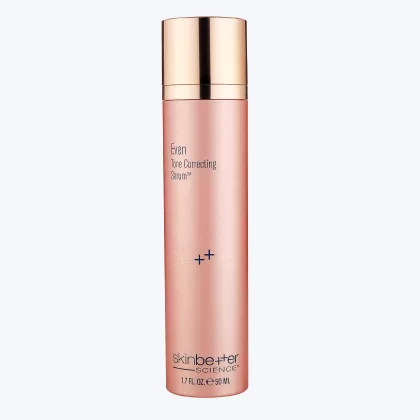
Even Tone Correcting Serum
This serum targets uneven skin tone, hyperpigmentation, and enlarged pores with a potent blend of ingredients, including alpha arbutin, peptides, and antioxidants. It helps promote a more even complexion and smoother skin texture.
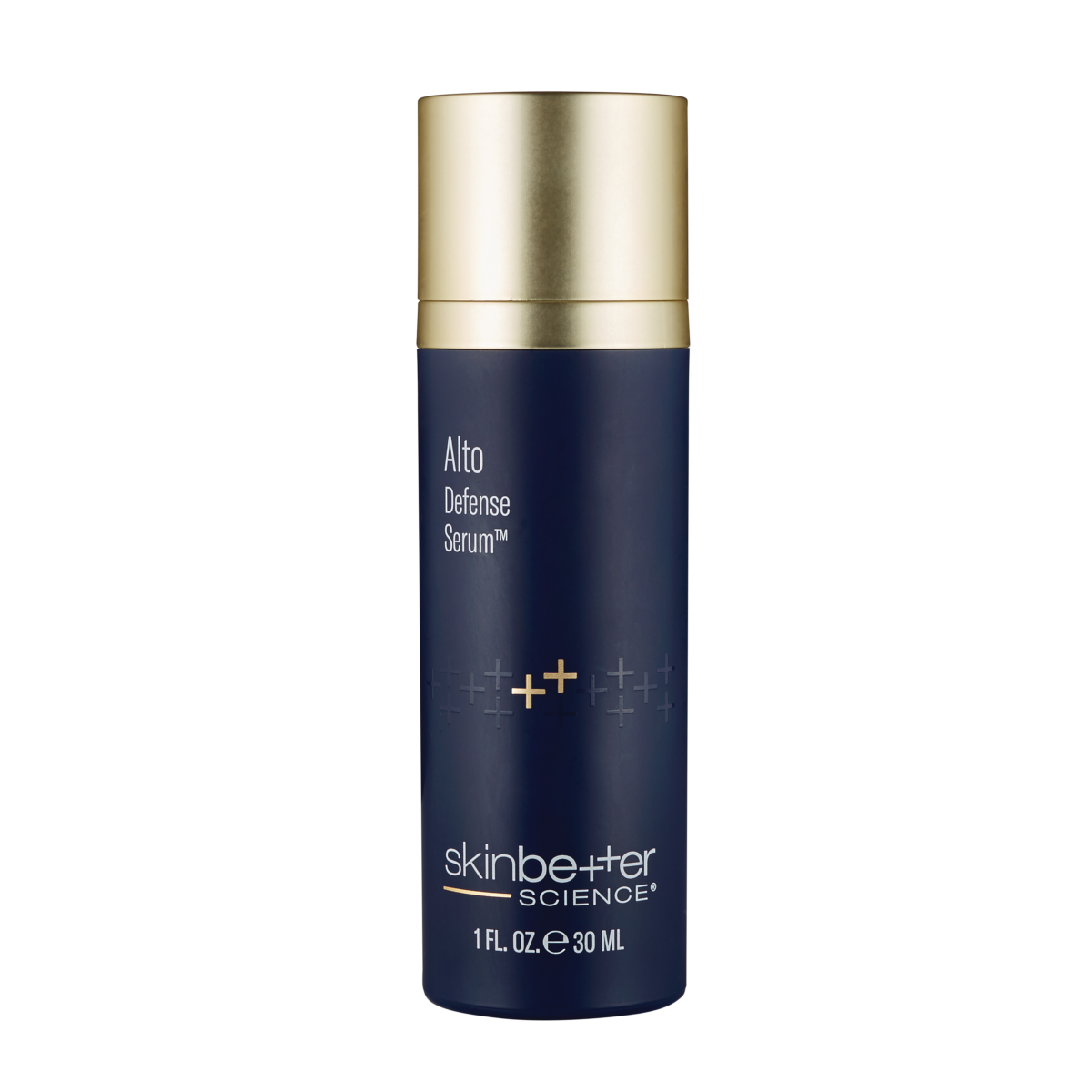
Alto Defense Serum
Formulated with a blend of antioxidants, including vitamin C, vitamin E, and ferulic acid, this serum helps protect the skin from environmental stressors while supporting overall skin health. It can improve skin texture and minimize the appearance of pores over time.
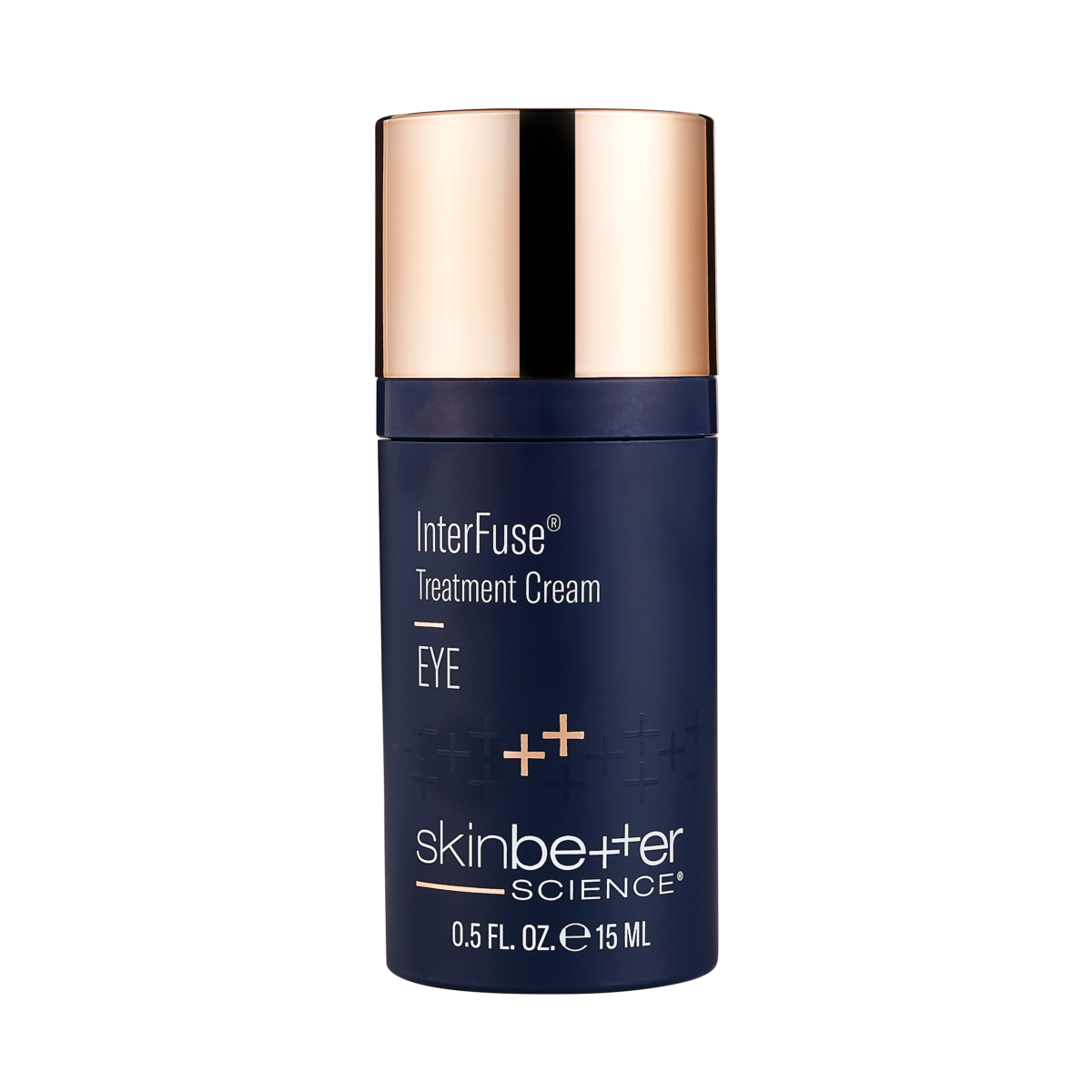
InterFuse Treatment Cream EYE
Specifically designed for the delicate eye area, this cream helps reduce the appearance of fine lines, wrinkles, and under-eye puffiness while also addressing enlarged pores. It contains peptides, hyaluronic acid, and caffeine to hydrate, firm, and brighten the under-eye area.
Skincare Routine for Large Pores
A consistent skincare routine is key to minimizing pores. Follow these steps:
- Cleanse Twice Daily: Use a gentle, non-comedogenic cleanser with warm water to avoid irritation.
- Exfoliate Weekly: Use a chemical exfoliant (e.g., salicylic acid or AHA) 1–2 times per week.
- Apply Retinol or Serums: Use retinol at night or a pore-minimizing serum like niacinamide.
- Moisturize: Choose a non-comedogenic moisturizer to hydrate without clogging pores.
- Sunscreen Daily: Apply SPF 30+ every morning, even on cloudy days.
- Professional Treatments: Consider chemical peels or microneedling for enhanced results.
Home Remedies for Large Pores
For those seeking natural solutions, try these home remedies:
- Clay Masks: Absorb excess oil and unclog pores.
- Apple Cider Vinegar: Acts as a natural toner to tighten pores (dilute before use).
- Aloe Vera: Soothes and hydrates, reducing oil production.
- Steam: Opens pores for easier cleansing (avoid overuse to prevent irritation).
Bottom line: While pores cannot be permanently shrunk, their appearance can be significantly reduced with the right skincare routine and treatments. From chemical peels and microneedling to non-comedogenic products and retinol, there are numerous ways to minimize large pores on the face, nose, cheeks, and beyond. By addressing the root causes—genetics, excess sebum, aging, and sun damage—you can achieve a smoother, more refined complexion. Consult with us at Direct Aesthetics for tailored advice and explore professional treatments to enhance your results.
GET IN TOUCH
Schedule a Consultation
Top Treatments for Enlarged Pores
Related Stories From Skin School